Hello Third Grade: A Designer’s Craft Fair Review
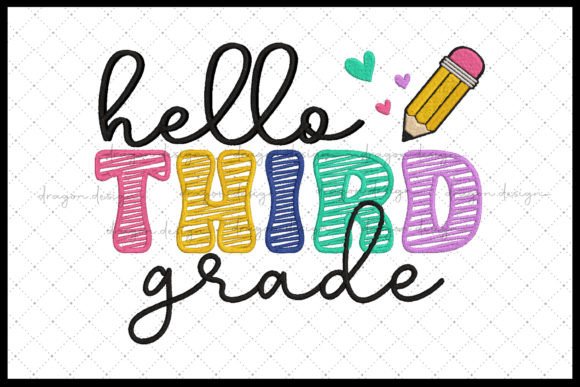
As an experienced embroidery designer preparing for the upcoming weekend craft fair season, my evaluation process goes far beyond simply opening a digital file. When I consider adding a new machine embroidery design to my production lineup, I have to visualize it as a tangible, sellable item sitting on a crowded table. The "Hello Third Grade" design presents a specific opportunity within the Back To School category that requires strategic placement to maximize sales. This review breaks down how this specific embroidery file performs in real-world scenarios, from booth displays to batch production for Etsy sellers and boutique makers.
First Impressions and Market Positioning
Upon reviewing the concept of Hello Third Grade, the immediate impression is one of celebratory milestone marking. Unlike generic school designs, specifying "Third Grade" targets a niche demographic: parents and teachers celebrating the transition from early elementary to upper elementary. For a craft fair product, specificity sells. Customers are more likely to purchase an item that feels personalized to their child's exact stage than a broad "Back to School" graphic. The aesthetic leans towards cheerful and commemorative rather than overly cutesy or juvenile, which expands its appeal to include teacher gifts and keepsake items. As a handmade product, it strikes a balance between festive sentimentality and clean, readable typography that translates well into thread.
Best Performing Products for Booth Displays
Not every substrate showcases every design equally. Based on the typical composition of grade-level announcements, Hello Third Grade excels on specific items that serve as functional keepsakes. Here is my assessment of where this design generates the most revenue:
- Tote Bag Design: Canvas tote bags are the premier vehicle for this design. The flat surface allows for crisp lettering, and the utility of the bag ensures it will be used throughout the school year. A natural canvas tote with dark navy or forest green thread creates a premium, boutique look that justifies a higher price point at markets.
- Tea Towel Embroidery: Flour sack towels are excellent for teacher appreciation gifts. The smooth texture of high-quality tea towels supports detailed stitching without puckering. This application works best when the design is centered and framed with simple decorative elements.
- Apron Embroidery: For classroom volunteers or art teachers, an embroidered apron featuring Hello Third Grade serves as both uniform and memory. The chest placement is ideal for visibility in photographs, making it a strong seller for parents who document classroom activities.
- Embroidered Patch: Creating standalone patches allows customers to customize existing gear. This is a low-risk, high-margin add-on for booth displays. Ensure the patch has a merrowed edge or heat-seal backing for professional durability.
While caps and curved surfaces are popular, they present challenges for text-heavy grade announcements. Unless the design is specifically digitized for curved brims, stick to flat goods like pouches and pillow covers to maintain legibility and reduce production waste.
Production Practicality and Batch Efficiency
For creative entrepreneurs and small shop owners, time is money. Hello Third Grade must be evaluated for its repeatability during batch production. A successful commercial embroidery run depends on consistent hooping and minimal thread changes. If the design utilizes multiple colors, organize your production queue by color rather than by item to reduce machine downtime. Check the stitch density carefully; grade-level text often involves satin stitches that can become too dense on lightweight fabrics, leading to needle breaks or fabric distortion. Conversely, if the density is too light, the design may look cheap or fail to cover the fabric grain on textured materials like linen.
Photographing this design for online listings requires attention to lighting and angle. Because text-based designs rely on clarity, avoid harsh shadows that obscure the letters. Use a printable mockup to test color combinations before committing thread to fabric. Digital mockups help Etsy sellers verify that the thread colors contrast sufficiently against various fabric backgrounds, ensuring the final finished product matches customer expectations.
Critical Technical Considerations and Caution Notes
Even the most beautiful digital embroidery file can fail if technical constraints are ignored. When working with Hello Third Grade, pay close attention to these potential pitfalls:
- Small Lettering Clarity: If resizing the design smaller than intended, verify that the smallest text remains legible. Serif fonts or thin script styles often collapse at reduced sizes. Always test stitch-out at the smallest intended dimension before listing.
- Fabric Texture Compatibility: Avoid placing intricate text designs on terry cloth or waffle-weave towels unless using a water-soluble topping. The pile can push through the stitches, making "Third Grade" difficult to read from a distance.
- Stabilizer Selection: Grade announcements often require precise registration between letters and decorative elements. Use a high-quality cutaway stabilizer for stretchy knits and a medium-weight tear-away for stable wovens. Skimping on stabilizer results in misaligned text that ruins the professional appearance.
- Hoop Size Verification: Before purchasing or downloading, confirm the design fits your available hoops. Resizing a design significantly to fit a smaller hoop can alter stitch angles and density, compromising the integrity of the artwork.
Enhancing Brand Value and Customer Engagement
Incorporating Hello Third Grade into your inventory signals to customers that you understand current trends and seasonal milestones. For booth displays, group this design with complementary items to create a cohesive Back To School collection. Pairing a tote bag with a matching pencil pouch increases average transaction value. The emotional connection of a specific grade level encourages impulse purchases from grandparents and relatives attending the fair.
For digital sellers offering the embroidery file directly, provide comprehensive documentation. Include recommended design assets such as color charts, stabilizer suggestions, and fabric compatibility notes. This reduces customer support inquiries and builds trust in your brand. Clearly state licensing terms regarding commercial use of the finished product versus resale of the digital file itself. Transparency protects both the designer and the maker.
Designer’s Pre-Production Checklist
Before loading Hello Third Grade into your machine for a full production run, complete this essential verification process:
- Test Stitch on Scrap: Never assume a file is perfect out of the box. Test on the exact fabric and stabilizer combination you plan to sell.
- Verify Thread Contrast: Ensure readability under both natural and artificial booth lighting. Yellow thread on white fabric may disappear indoors.
- Check Spacing and Kerning: Inspect the space between letters. Tight kerning can cause thread buildup, while excessive spacing looks unprofessional.
- Confirm Licensing: Review the specific terms provided with Hello Third Grade Embroidery Back-to-school embroidery. Ensure you have the right to sell finished goods at craft fairs and online marketplaces.
- Create Physical Samples: Photographs don't capture texture. Have at least one physical sample available for customers to touch and examine at your booth.
By approaching Hello Third Grade with this level of critical analysis, you transform a simple seasonal graphic into a profitable, professionally executed product line. Success in the handmade market comes not just from beautiful designs, but from understanding how those designs live in the physical world. Whether you are stocking an Etsy shop or setting up a weekend table, let practical judgment guide your creative decisions to ensure every stitch contributes to your business growth.