First Grade Squad: A Designer’s Sweatshirt Review
As an embroidery designer preparing for the upcoming seasonal rush, evaluating a new machine embroidery design goes far beyond simply liking the artwork on a screen. When I select assets for a boutique brand or a limited sweatshirt drop, I am looking for versatility, stitch integrity, and marketability. The "First Grade Squad" design has caught my attention as a potential staple for Back To School collections, but before I commit it to premium fleece, I need to assess how this embroidery file translates from digital concept to tangible finished product. This review breaks down my technical and aesthetic evaluation of using this design for commercial apparel and small shop inventory.
Aesthetic First Impressions and Boutique Appeal
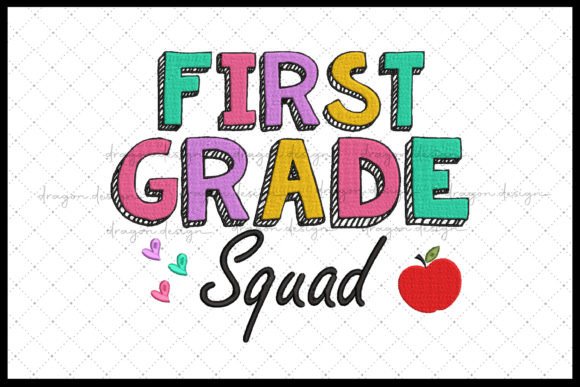
My initial assessment of First Grade Squad focuses on its emotional resonance and visual hierarchy. For a boutique brand, the design must strike a balance between playful nostalgia and modern wearability. It cannot look like generic clip art; it needs to feel curated. This design appears to lean into a bold, community-focused aesthetic that works exceptionally well for group orders, teacher appreciation gifts, or matching sibling sets. The typography and layout suggest a design that is legible from a distance, which is crucial for lifestyle photography and social media marketing.
When visualizing this on neutral sweatshirts—think cream, oatmeal, or heather grey—the design provides necessary contrast without overwhelming the garment's cozy texture. On darker fabrics like navy or forest green, the thread colors will need to be adjusted to maintain that pop, likely requiring a white underlay or brighter accent threads to prevent the embroidery from getting lost. For pastel hoodies, the design offers a sweet, feminine touch that aligns perfectly with current trends in kids' fashion and mom-and-me apparel. The mood is decidedly cheerful yet structured enough to avoid looking messy when stitched out on textured fleece.
Technical Evaluation for Sweatshirt Embroidery
The true test of any sweatshirt embroidery project lies in the technical execution. Fleece and French terry are unforgiving fabrics; they have pile and stretch that can distort poorly digitized designs. When reviewing First Grade Squad for production, I am immediately checking the stitch density. If the design is too dense, it will create a bulletproof patch that ruins the drape of a soft hoodie. If it is too sparse, the fabric texture will show through, making the custom apparel look cheap or unfinished.
For this specific design, stabilizer choice is non-negotiable. I would recommend a medium-weight cutaway stabilizer for sweatshirts to support the stitch count and prevent puckering during washing. A tear-away might suffice for lighter cotton tees, but for the premium feel required by an Etsy seller or boutique owner, cutaway ensures longevity. I also pay close attention to the hoop size requirements. Before purchasing or stitching, you must verify that the design dimensions fit your machine’s capabilities and the printable area of your chosen garments. Nothing halts production faster than realizing a chest placement design is actually sized for a jacket back.
Fabric Texture and Thread Contrast Considerations
Because First Grade Squad is intended for clothes and home decor, the interaction between thread and fabric texture is paramount. On high-pile fleece, satin stitches can sink. I always run a test stitch-out on the exact fabric texture I plan to sell. If the letters are thin, I may need to add a topping like water-soluble stabilizer to keep the stitches sitting on top of the fabric rather than burying themselves in the nap. This step separates professional commercial embroidery from amateur crafting. Furthermore, checking the color separation in the file allows me to plan thread changes efficiently, reducing production time for bulk orders.
Versatility Across Apparel and Merchandise
A strong digital embroidery file should offer multiple placement options to maximize ROI for a small shop product. First Grade Squad seems adaptable for various applications beyond the standard center-chest placement. I can envision this working beautifully as a left-chest logo on oversized hoodies, leaving plenty of negative space for a relaxed, modern silhouette. Alternatively, scaling it down could create adorable sleeve accents or wrist placements for toddler sizes.
For those expanding beyond apparel, the description notes suitability for home decor and gifts. This makes the design a valuable asset for creating bundled listings. Imagine offering a matching sweatshirt and tote bag set, or a personalized pencil case paired with a shirt. This versatility increases the average order value for handmade businesses. However, always check the license terms included with the design assets to ensure you have the rights to use the file for physical products sold in your shop. Never assume commercial rights are included without verifying the specific documentation provided by the digitizer.
Enhancing Brand Identity and Buyer Trust
In the saturated market of Back To School merchandise, consistency builds trust. Using a cohesive design like First Grade Squad across multiple SKUs helps establish a recognizable brand identity. When customers see your printable mockup or listing photos, the embroidery should look crisp, centered, and intentional. Poor registration or jumping threads visible in product photos can deter buyers who associate those flaws with low-quality manufacturing.
This design contributes to perceived value when executed correctly. A clean, well-stitched emblem signals to parents and teachers that this is a premium handmade product worth the price point. It moves the item from "craft fair novelty" to "boutique essential." For Etsy sellers, utilizing this design in lifestyle settings—such as a child wearing the sweatshirt while holding a backpack or reading a book—helps customers visualize the product in their own lives. The design acts as the anchor for your seasonal collection, tying together disparate items under a unified theme.
Production Planning and Final Verdict
Before launching a collection featuring First Grade Squad, I advise fellow designers and business owners to conduct a thorough pre-production checklist:
- Verify File Compatibility: Ensure the format matches your machine (PES, DST, JEF, etc.) before buying.
- Test Stitch on Scrap Fabric: Never risk a $40 blank sweatshirt on an untested file. Check for pull compensation issues.
- Audit Thread Colors: Map out your palette to match your brand’s aesthetic, rather than relying solely on default chart suggestions.
- Check Dimensions: Confirm the design fits the intended garment size range, especially for youth vs. adult sizing.
- Review License: Double-check usage rights for selling finished goods versus selling the digital file itself.
Ultimately, First Grade Squad presents itself as a strong contender for seasonal inventory. Its potential for customization, combined with the universal appeal of grade-school milestones, makes it a safe yet profitable bet for apparel decorators. By treating this hoodie design with professional scrutiny regarding stabilization, density, and branding, you can elevate it from a simple download to a signature piece in your shop. Remember, the quality of your finished product relies not just on the digitizing, but on your expertise in applying it to real-world textiles. Take the time to test, adjust, and perfect your process, and this design will serve your business well throughout the school season.