Flower Font G: A Designer’s Review for Real Projects
As an embroidery designer who frequently sources assets for both custom client orders and digital product shops, I approach every new machine embroidery design with a critical eye. When browsing Creative Fabrica for typography that bridges the gap between decorative art and functional legibility, Flower Font G caught my attention. While categorized under Back To School, its aesthetic versatility suggests it belongs in a much broader range of applications. After evaluating this embroidery file for potential use in real-world production, here is my honest assessment of how it performs beyond the screen.
First Impressions and Visual Character
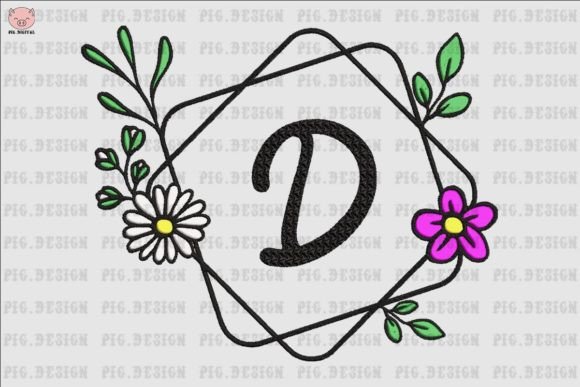
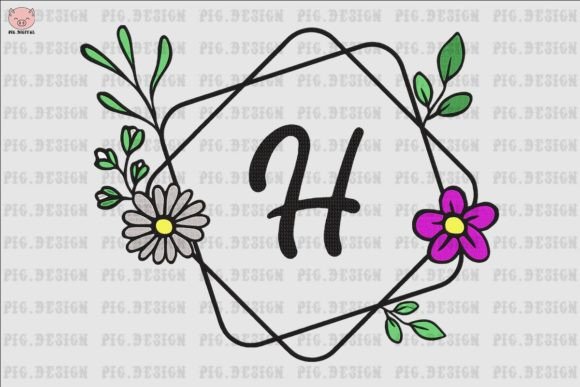
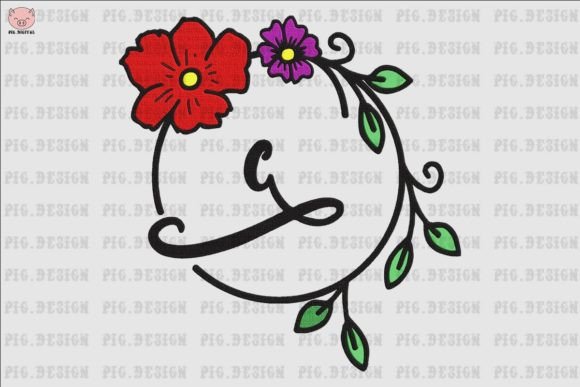
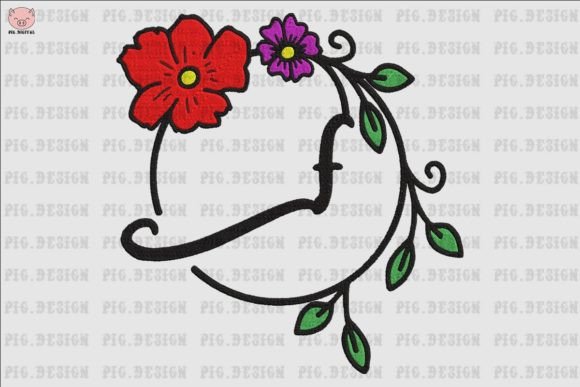
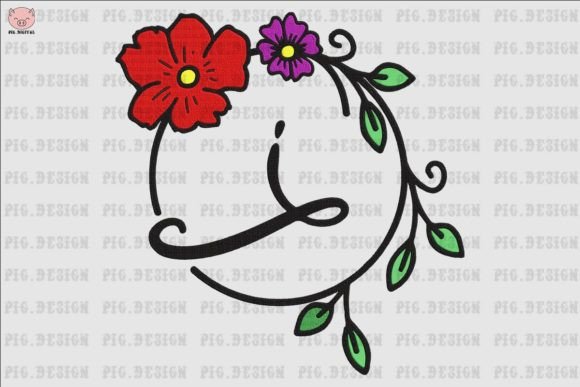
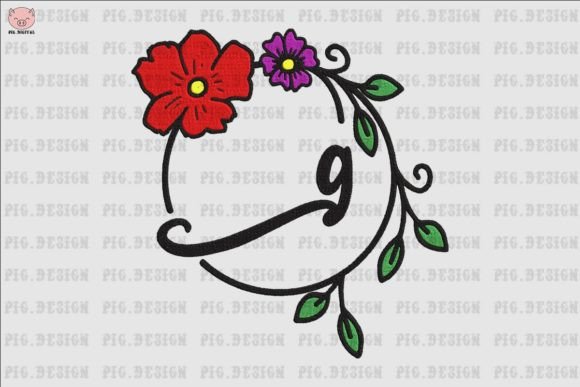
The initial appeal of Flower Font G lies in its balanced personality. It avoids the overly juvenile look that often plagues floral typefaces, making it suitable for adult custom apparel as well as children's items. The integration of botanical elements into the letterforms feels organic rather than forced. For a designer, this is crucial; we need fonts where the embellishments do not compromise the structural integrity of the stitch path.
Visually, the font carries a soft, hand-drawn quality that translates beautifully to thread. Unlike rigid digitized block letters, Flower Font G mimics the flow of needle painting. This makes it an excellent candidate for projects requiring a "handmade" feel, such as nursery decor or boutique merchandise. However, the intricate details mean that digitization quality is paramount. Before committing to a full production run, I always assess whether the decorative flourishes are achieved through efficient satin stitch columns or if they rely on excessive jump stitches that could frustrate the machine operator and delay finishing.
Performance on Apparel and Accessories
In my studio, typography must perform across various substrates. Flower Font G shows particular promise for sweatshirt embroidery and fleece garments. The slightly open structure of the floral details allows the fabric texture to breathe, preventing the stiff, bulletproof patch effect that can occur with dense fill areas. When stitching on French terry or cotton blends, the font’s weight appears substantial enough to hold its own against the fabric nap without causing puckering.
For tote bag design and canvas goods, this font offers excellent visual hierarchy. Canvas is a forgiving base for detailed embroidery files, allowing the finer petals and leaves to register clearly. I envision this working exceptionally well for market bags or library totes where a romantic, cottage-core aesthetic is desired. Similarly, for kitchen towels and aprons, the font strikes the right balance between whimsy and readability. It reads as intentional design rather than generic clip art, which helps elevate the perceived value of the finished product.
Considerations for Small Hoops and Caps
While Flower Font G shines at standard sizes, caution is required when scaling down. Floral fonts inherently possess complex geometry. If you intend to use this for cap embroidery or small chest logos, you must verify the minimum recommended size provided by the digitizer. Reducing a floral font below its safe threshold often results in lost detail, thread breaks, or illegible characters. Always check the specific hoop size requirements listed on the Creative Fabrica product page before purchasing for micro-embroidery projects.
Elevating Product Value and Buyer Trust
For Etsy sellers and small business owners, the choice of typeface directly influences conversion rates. Flower Font G contributes to a cohesive brand identity that signals care and craftsmanship. When used in printable mockups, the font’s distinct style helps listings stand out in crowded search results. More importantly, when the physical item arrives, the high-quality stitch-out reinforces buyer trust. Customers can distinguish between a hastily applied stock design and a thoughtfully curated personalized gift.
This font is particularly valuable for seasonal inventory. While tagged for Back To School, its floral nature makes it a year-round asset. It transitions seamlessly from autumn school supplies to spring birthday gifts and summer wedding accessories. This versatility maximizes the ROI on your design assets, allowing you to create multiple revenue streams from a single digital embroidery file. For those selling embroidered patches, the self-contained nature of the letterforms makes them ideal for merrowed edges or heat-seal backing applications.
Technical Best Practices for Stitch Success
To get the most out of Flower Font G, technical preparation is non-negotiable. Because floral fonts vary in density between the stem lines and the petal fills, proper stabilization is key. On stretchy fabrics like knits or performance wear, use a cut-away stabilizer to prevent distortion. For woven fabrics like denim or canvas, a tear-away may suffice, but always test first. The interplay between running stitch outlines and satin elements requires consistent tension; loose top tension will make the floral details look messy, while tight tension can cause tunneling.
Thread colors also play a significant role in the final presentation. While variegated threads can enhance the floral theme, solid colors often provide better legibility for text-heavy designs. I recommend testing high-contrast combinations on scrap fabric identical to your final project. Dark fabric presents unique challenges; ensure the underlay is sufficient to prevent the fabric color from bleeding through lighter thread shades. If the design includes an applique design component, verify that the tack-down stitches align perfectly with the placement line to avoid raw edges showing after washing.
Licensing and Commercial Viability
Before listing any item featuring Flower Font G for sale, thoroughly review the licensing terms on Creative Fabrica. Understanding whether your purchase covers commercial use for physical products, digital redistribution, or print-on-demand services is essential for protecting your business. Never assume license terms based on category tags alone. Confirming these details upfront prevents legal headaches and ensures your commercial embroidery venture remains compliant.
Additionally, inspect the file formats included. While most modern machines read PES, DST, or JEF, having access to EMB or ART files allows for minor editing if you need to adjust density or remove jump stitches for your specific machine. Not all Creative Fabrica embroidery listings include editable source files, so check the description carefully if you anticipate needing to modify the design for specialized applications like curved cap surfaces or textured terry cloth.
Final Verdict for Embroidery Professionals
Flower Font G represents a strong addition to a professional embroiderer’s library, provided it is used within its technical sweet spot. Its strength lies in medium-to-large scale applications where the botanical details can be fully appreciated. It excels in creating emotional connections through personalized home decor, baby blankets, and sentimental gifts. For the apparel decorator, it offers a refreshing alternative to standard collegiate or script fonts, adding a touch of artisanal quality to mass-produced blanks.
However, success with this font depends entirely on respecting its limitations regarding size and fabric compatibility. It is not a universal solution for every project, but for the right application, it transforms simple textiles into cherished keepsakes. As with any handmade product, the magic happens when the designer understands the tool. Test extensively, stabilize appropriately, and let Flower Font G bring a blooming elegance to your next collection. Whether you are crafting for a craft fair, fulfilling custom orders, or building a digital storefront, this font has the potential to become a reliable workhorse in your creative arsenal.