Flower Daisy Font H: A Designer Review for Business Merch
As an embroidery designer who specializes in commercial branding and small business merchandise, I approach every new machine embroidery design with a critical eye. When evaluating the Flower Daisy Font H for professional use, my primary concern is not just aesthetic appeal, but production viability. For small business owners, Etsy sellers, and apparel decorators, a font must perform reliably across various substrates while maintaining legibility and brand integrity. This review analyzes how this specific floral typography translates from a digital file to a tangible asset for cafes, boutiques, florists, and creative studios.
Visual Personality and Brand Alignment
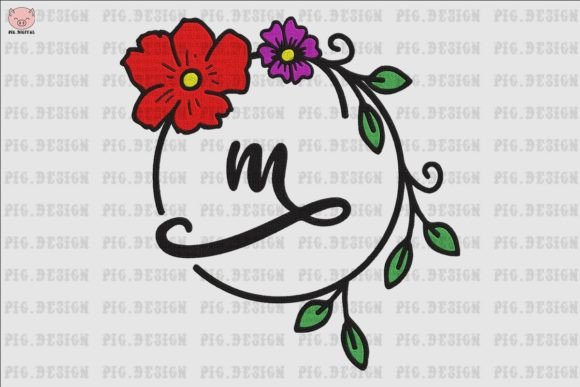
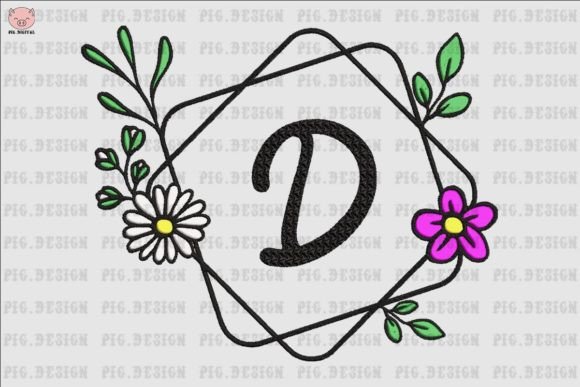
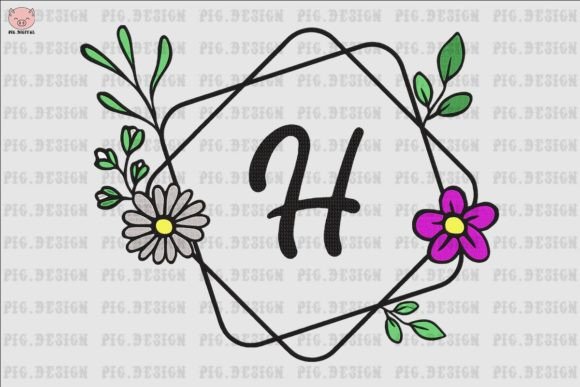
The first impression of Flower Daisy Font H is distinctly organic and approachable. Unlike rigid block lettering or overly ornate scripts that can struggle with registration, this design strikes a balance between playful and polished. For a local bakery, pet brand, or handmade soap shop, this typography communicates warmth and artisanal quality immediately. It avoids the sterile look of corporate sans-serifs while remaining clean enough for commercial application.
In the context of brand identity, this font suggests a business that values craftsmanship and personal connection. It is particularly effective for businesses targeting a demographic that appreciates cottage-core aesthetics, sustainable goods, or personalized service. However, because it carries a decorative element, it functions best as a secondary typeface or a standalone monogram rather than primary body text. When used for Back To School merchandise, such as personalized backpacks or pencil cases, it offers a softer alternative to standard collegiate fonts, appealing to parents looking for unique, non-generic customization.
Performance Across Commercial Applications
When integrating Flower Daisy Font H into small business merch, versatility is key. Based on the structural characteristics of floral-integrated typography, here is how it performs in real-world scenarios:
- Apron Embroidery: This is perhaps the strongest use case. The organic nature of the daisy elements complements canvas and denim aprons perfectly. For cafes and florists, embroidering staff names or business initials in this font on the chest pocket creates a cohesive, welcoming uniform look without appearing too industrial.
- Tote Bag Design: Canvas totes provide a stable, flat surface ideal for this embroidery file. The font’s decorative flourishes have room to breathe on a 15x15cm area, making it excellent for boutique shopping bags or event giveaways.
- Custom Apparel: On t-shirts and sweatshirts, this design works beautifully as a left-chest accent. It adds value to basic blanks, transforming them into premium handmade product offerings. The floral details soften the garment, making it more attractive for female demographics or children's wear.
- Product Packaging Accents: For Etsy sellers, embroidering this font onto linen drawstring bags or fabric tags elevates the unboxing experience. It signals to the buyer that attention to detail extends beyond the product itself.
Critical Production Considerations and Limitations
While visually appealing, Flower Daisy Font H requires careful handling during commercial embroidery production. Decorative fonts present unique challenges that standard block letters do not. As a designer, I advise caution in the following areas:
Size Reduction and Legibility
The most significant risk with floral typography is scaling down. If you intend to use this for cap embroidery or small sleeve cuffs, you must verify the minimum height. Floral serifs and petal details can turn into thread blobs if reduced below 1 inch in height. Always check the digitizer’s recommended minimum size before purchasing the digital embroidery file. If the petals merge at smaller sizes, reserve this font for larger placements like tote bags or jacket backs, and choose a simpler sans-serif for caps.
Stitch Density and Fabric Texture
Decorative elements often increase stitch density. When embroidering on textured fabrics like terry cloth towels or pique polos, the fine details of the daisy integration may get lost. In these instances, using a water-soluble topping is non-negotiable to prevent stitches from sinking. Conversely, on lightweight knits, high density can cause puckering. You must match your stabilizer choice to both the design complexity and the garment weight. A cut-away stabilizer is generally safer for this style of lettering to support the decorative extensions and prevent distortion during washing.
Curved Surfaces and Hooping
If applying this to curved surfaces like caps or sleeves, ensure your hoop size allows for adequate stabilization around the design perimeter. Floral fonts often have wider horizontal footprints due to swashes. Attempting to hoop a wide floral initial tightly on a curved cap brim can lead to flagging and misalignment. Test the curvature compatibility before committing to a bulk order.
Impact on Customer Perception and Value
Typography in embroidery is never neutral; it actively shapes customer trust. Using a well-executed decorative font like Flower Daisy Font H signals that a business invests in its presentation. In the saturated market of Etsy branding and local retail, generic clip-art embroidery often devalues a product. A specialized, cohesive typographic style suggests professionalism.
For custom apparel businesses, offering this font as a premium option can justify higher price points. Customers associate intricate, nature-inspired stitching with higher labor value and artistic intent. Furthermore, when used consistently across touchpoints—from staff uniforms to packaging—the font becomes a visual anchor. This consistency aids recognition, helping customers instantly identify your products in a crowded marketplace. It transforms a simple embroidered patch from a label into a brand signature.
Professional Designer Notes for Implementation
Before running Flower Daisy Font H on client merchandise or inventory, follow this technical checklist to ensure professional results:
- Verify Licensing: Confirm the embroidery file includes commercial licensing for merchandise sales. Personal-use licenses are common for floral fonts but insufficient for business assets.
- Run a Black and White Test: Before selecting thread colors, stitch the design in black on white fabric. This reveals the true structure and any potential jump stitch issues without the distraction of color blending.
- Check Spacing and Kerning: Decorative fonts often require manual kerning adjustments. If combining the Flower Daisy H with other letters, ensure the floral swashes do not collide with adjacent characters. You may need to edit the spacing in your software.
- Create a Printable Mockup: Because floral fonts have variable widths, always generate a printable mockup at actual size for client approval. Digital screens can be deceiving regarding scale and detail clarity.
- Test Wash Durability: If the item will be laundered frequently (like aprons or uniforms), wash-test a sample. Ensure the decorative petals remain secure and do not fray after multiple cycles.
- Compare Against Brand Assets: Place a stitched sample next to your existing business cards and signage. Ensure the vibe aligns. If your brand is ultra-modern and minimalist, this rustic floral font might create visual dissonance.
Flower Daisy Font H is a valuable asset for businesses seeking to infuse warmth and personality into their embroidered goods. By respecting its technical limitations and leveraging its organic charm strategically, small business owners can create merchandise that feels both professional and authentically handmade. Always prioritize testing and proper stabilization to ensure the finished product reflects the quality of your brand.