Beautiful Girl: A Designer Review for Business Merch
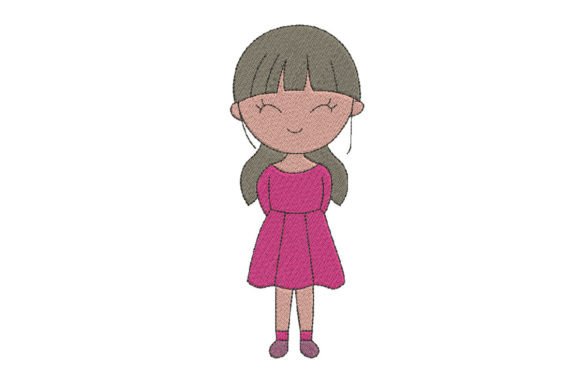
As an embroidery designer specializing in commercial branding and merchandise production, I approach every new machine embroidery design with a critical eye toward production viability. When evaluating the "Beautiful Girl" design for small business applications, my primary focus shifts from simple aesthetics to functional versatility. While the product description highlights its suitability for baby onesies, bibs, and room decor, a professional digitizer must assess how this artwork translates into branded assets for boutiques, creative studios, and handmade businesses. The title suggests a soft, feminine aesthetic, but for a business owner, the true value lies in stitch integrity, scalability, and brand alignment.
Visual Personality and Brand Alignment
The first impression of "Beautiful Girl" is undeniably sweet and decorative. For a small business, this visual personality serves a specific niche. It communicates warmth, care, and artisanal quality. If you are operating a florist shop, a children’s boutique, a bakery specializing in custom cakes, or a pet grooming salon that caters to female pets, this design aligns perfectly with a soft brand identity. However, it is crucial to note the product category listing as "Boys." This discrepancy requires careful consideration. If your business targets a gender-neutral or male demographic, this specific aesthetic may create visual dissonance. Conversely, if the categorization is merely a database error and the design is indeed feminine, it remains a strong contender for female-centric small business merch.
For Etsy sellers and craft business owners, this design offers a "handmade" feel that mass-produced clip art often lacks. The organic nature implied by the title suggests flowing lines and softer edges, which can elevate the perceived value of custom apparel and accessories. It moves beyond generic corporate logos to establish an emotional connection with customers who value personal touches in their purchasing experience.
Commercial Applications Beyond Nursery Decor
While the description emphasizes nursery items, experienced embroiderers know that versatile designs are the backbone of profitable product lines. Here is how "Beautiful Girl" performs in real-world business scenarios:
- Boutique Staff Uniforms: As a chest logo accent on pastel or white polo shirts, this design adds a welcoming touch for front-of-house staff in salons or cafes.
- Apron Embroidery: For bakeries or florists, placing this design on the lower hem or pocket of an apron creates a cohesive team look without overpowering the primary business logo.
- Tote Bag Design: Canvas totes are high-margin add-ons. This design works beautifully as a central motif on natural cotton bags, serving as both merchandise and walking advertising.
- Product Packaging Accents: Embroidered onto fabric gift bags or reusable wrapping, this design turns packaging into a keepsake, increasing customer retention.
- Event Merchandise: For baby showers, gender reveal parties, or women’s retreats hosted by local businesses, this design provides a thematic anchor for hats, towels, and blankets.
In these contexts, the design acts as more than decoration; it becomes a tangible asset that reinforces the business's commitment to quality and detail.
Technical Considerations for Production
A pretty picture does not always equal a good embroidery file. Before running "Beautiful Girl" on a commercial multi-needle machine or even a single-needle home setup for business orders, specific technical factors must be evaluated. The description notes it is perfect for fabrics needing a "sweet girly accent," which often implies lightweight materials like jersey knits, cotton voile, or linen. These fabrics present unique challenges regarding stitch density and stabilization.
Fabric Texture and Stabilizer Selection
If applying this design to a textured fabric like terry cloth (for bibs) or canvas (for tote bags), the fine details typical of "beautiful" aesthetics can get lost. You must use appropriate stabilizer strategies. For stretchy baby onesies, a cut-away stabilizer is non-negotiable to prevent puckering and distortion during washing. For caps or structured bags, ensure the design has been digitized specifically for curved surfaces; flat designs often distort when hooped on a cap frame. Always verify the recommended hoop size before purchasing the digital embroidery file to ensure it fits your equipment capabilities.
Scalability and Patch Viability
Many businesses want to convert designs into an embroidered patch for uniforms or jackets. Not all designs translate well to patch format. "Beautiful Girl" likely contains intricate details suited for direct-to-garment embroidery. To function as a patch, the design needs a clean satin border and sufficient internal density to hold its shape when removed from backing. If the original file lacks these elements, it may require editing. Test the design at your intended patch size; reducing a complex design too much results in thread breaks and muddy details. Similarly, for cap embroidery, verify that vertical height does not exceed your cap frame’s limit and that lettering (if any) remains legible at small scales.
Impact on Professionalism and Customer Trust
In the competitive landscape of handmade products and local services, presentation dictates price point. Using a high-quality, well-executed version of "Beautiful Girl" signals professionalism. Sloppy registration, poor tension, or inappropriate placement undermines trust. When customers see crisp, vibrant embroidery on a finished product, they associate that precision with the quality of your goods or services.
Furthermore, consistency builds recognition. If you use this design across multiple touchpoints—staff aprons, shopping bags, and social media photos—it creates a unified visual language. This consistency helps customers instantly identify your brand at markets or in online feeds. However, this only works if the execution is flawless. A poorly stitched design damages brand identity faster than no design at all.
Essential Pre-Production Checklist for Business Owners
Before integrating "Beautiful Girl" into your commercial workflow, follow this professional testing protocol to protect your reputation and minimize waste:
- Verify Commercial Licensing: The provided description does not explicitly state commercial usage rights. Never assume a machine embroidery design is cleared for business merchandise. Check the license terms specifically for selling finished goods versus selling the digital file itself.
- Run a Black and White Test: Stitch out the design in a single color first. This reveals the underlying structure and density issues that variegated or multi-colored threads might hide.
- Check Thread Color Contrast: Ensure the selected thread colors provide enough contrast against your chosen garment color. Pastel threads on white fabric may disappear in photographs, rendering your printable mockup ineffective for marketing.
- Create a Physical Mockup: Do not rely solely on software simulations. Stitch the design on the actual fabric you intend to sell. Wash and dry it once to test durability, especially for baby items and workwear.
- Compare Beside Other Assets: Place this design next to your existing logo and design assets. Does it match in weight and style? Visual consistency is key for professional collections.
- Inspect Spacing and Jump Stitches: Excessive jump stitches increase production time and finishing labor. Edit the file if necessary to optimize the stitch path for commercial efficiency.
Final Thoughts for the Embroidery Entrepreneur
"Beautiful Girl" holds significant potential for businesses targeting a feminine, nurturing, or artisanal market. Its strength lies in its ability to soften corporate branding and add a bespoke feel to standard merchandise. Whether used for apron embroidery in a cafe or as a signature mark on boutique packaging, it bridges the gap between commercial utility and handmade charm.
However, success depends on technical diligence. Respect the fabric limitations, validate the licensing, and prioritize stitch quality over speed. By treating this embroidery file as a professional tool rather than just a decorative element, you transform a simple design into a powerful driver of brand loyalty and product value. Always remember that in commercial embroidery, the difference between a hobbyist and a professional is found in the testing, the finishing, and the strategic application of every stitch.