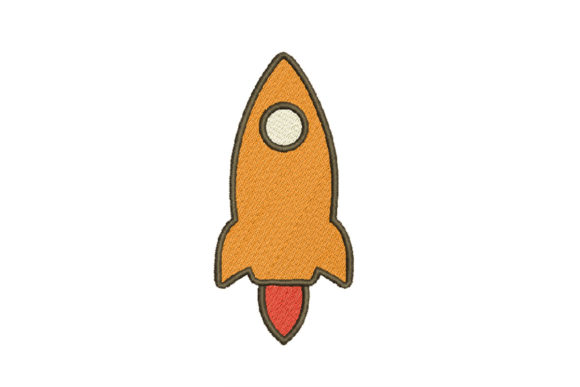
Rocket Embroidery Design: A Seller’s Review
As an Etsy seller and small business owner constantly scouting for fresh inventory, finding the right machine embroidery design is about more than just a cute graphic. It is about identifying a digital asset that translates into profitable physical products. When evaluating Creative Fabrica embroidery files for my shop, I look for versatility, stitch quality, and broad market appeal. The Rocket design immediately caught my attention as a potential staple for upcoming collections. While categorized under Robots, this design leans heavily into space exploration themes that are currently trending across multiple demographics. Below is my practical assessment of how this embroidery file can be leveraged for commercial embroidery success.
Evaluating Visual Style and Market Appeal
Before adding any design to my catalog, I have to determine its aesthetic personality. Based on the product description promising to thrust sewing projects to high levels of success, Rocket appears to possess a bold yet playful energy. It does not read as overly technical or industrial, which is often the risk with robot-themed designs. Instead, it seems positioned perfectly for the children’s apparel and nursery decor markets. The visual language suggests a style that is modern and approachable rather than vintage or rustic.
For handmade product sellers, this balance is crucial. A design that is too niche limits your customer base, while one that is too generic gets lost in search results. Rocket strikes a middle ground. It feels giftable and memorable, making it suitable for personalized gifts like birthday sweatshirts or back-to-school backpacks. The imagery supports a narrative of imagination and future aspirations, which resonates deeply with parents and educators. This emotional connection is what ultimately drives sales on platforms like Etsy, where buyers are looking for items that tell a story.
Strategic Product Applications for Small Businesses
The true value of a digital embroidery file lies in its adaptability. When planning my production schedule, I need designs that can work across various blanks without requiring constant digitizing adjustments. Rocket shows significant promise for several key product categories:
- Custom Apparel: This is the most obvious application. Sweatshirt embroidery featuring a centered chest placement or a smaller pocket-sized version could perform exceptionally well. The design likely scales effectively for toddler sizes up to adult unisex fits, allowing for family matching sets.
- Nursery and Room Decor: Baby embroidery is a massive market segment. Stitching this design onto crib sheets, pillow covers, or wall hangings taps into the space-themed nursery trend. The description specifically mentions bedsheets, suggesting the design has a footprint appropriate for larger textile projects.
- School and Daycare Gear: Back-to-school designs are seasonal goldmines. A tote bag design featuring Rocket could be marketed as a unique library bag or art supply carrier. Unlike generic school buses or pencils, a rocket stands out as a creative alternative.
- Functional Home Goods: Kitchen towel embroidery might seem unexpected for a space theme, but "space kitchen" or "little astronaut chef" concepts are popular novelty niches. Aprons and tea towels with this motif make excellent gifts for science-loving families.
By diversifying the application of a single embroidery file, craft business owners can maximize their return on investment. One download can populate multiple listing categories, from apparel to home decor.
Technical Considerations for Professional Results
A pretty picture on a screen does not always guarantee a clean stitch-out on fabric. As experienced embroiderers know, the technical integrity of the file dictates the quality of the finished product. Before listing any item made with Rocket, I would strongly recommend creating a sample stitch-out. This step is non-negotiable for maintaining professional standards.
When testing, pay close attention to stitch density. If the design is too dense, it may cause puckering on lighter fabrics like baby onesies or thin cotton tees. Conversely, if it is too sparse, it might lack durability on high-wear items like tote bags or caps. You must also verify the hoop size requirements listed on the Creative Fabrica product page. Ensure the dimensions fit within your machine’s capabilities and leave adequate margin for stabilizer. Speaking of stabilizer, test different backing options. A space-themed design with solid fills might require cut-away stabilizer on knit fabrics to prevent distortion, whereas tear-away might suffice for woven kitchen towels.
Thread colors also play a pivotal role in the final perception of the design. While the digital preview provides a guide, real-world testing allows you to curate a palette that matches current trends. Perhaps swapping standard primary colors for muted earth tones or neon brights could create two entirely different product lines from the same file. Always confirm color compatibility and thread brand conversions before mass production to avoid costly re-stitches.
Optimizing Listings and Commercial Licensing
Once the physical product is perfected, the focus shifts to presentation. For Etsy sellers, photography is everything. A printable mockup is useful for initial listings, but nothing converts better than photos of the actual embroidered item. Photograph Rocket on real fabric in natural light to show texture and dimension. Buyers need to see how the stitches interact with the material. Does it sink into fleece? Does it pop against canvas? These details reduce buyer hesitation and returns.
Furthermore, consider readability at thumbnail size. Space designs can sometimes become muddy when scaled down for mobile browsing. Ensure your main listing photo showcases the design clearly, perhaps with a contrasting background. Social media previews should highlight the versatility of the design, showing it on both a sweatshirt and a pillow cover to inspire customers with ideas they hadn't considered.
Crucially, every creative entrepreneur must review licensing terms directly on the Creative Fabrica product page before selling. Confirm whether the license covers physical finished products, digital modifications, or both. Some licenses restrict the number of units sold or require attribution. Understanding these boundaries protects your business and ensures ethical use of the designer's work. Never assume commercial rights; always verify them to keep your shop compliant and reputable.
Final Thoughts for Embroidery Entrepreneurs
Rocket represents a strong opportunity for sellers looking to expand their inventory with a versatile, trend-aware design. Its potential spans from baby embroidery to custom apparel and home decor, offering excellent ROI for those willing to put in the testing and marketing effort. By treating this machine embroidery design as a foundational asset rather than just a single graphic, small shop owners can build cohesive collections that attract repeat customers.
Remember that success in the embroidery business comes from the intersection of creative vision and technical diligence. Test your stabilizer, refine your thread colors, photograph your finished product authentically, and respect the licensing terms. When executed correctly, Rocket could indeed thrust your sewing projects—and your sales—to new heights. Whether you are crafting for a local craft fair or fulfilling international Etsy orders, this design offers the flexibility needed to thrive in a competitive handmade marketplace.