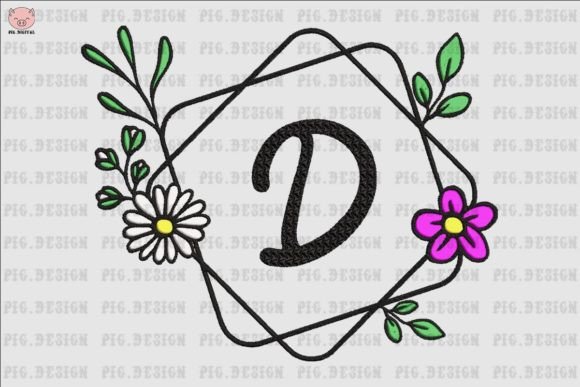
It's a Good Day to Teach Wild Flower Review
As an embroidery designer preparing for the upcoming weekend craft fair season, I am constantly evaluating which digital assets will translate into physical sales. When reviewing the It s a Good Day to Teach Wild Flower machine embroidery design, my primary focus is on its commercial viability for handmade market products. This isn't just about whether the digitizing is clean; it is about whether this specific aesthetic stops customers at a crowded booth and convinces them to purchase a finished product. For Etsy sellers, boutique makers, and creative entrepreneurs, understanding the real-world application of this back-to-school embroidery motif is essential for maximizing return on investment.
First Impressions: Farmhouse Charm Meets Educator Pride
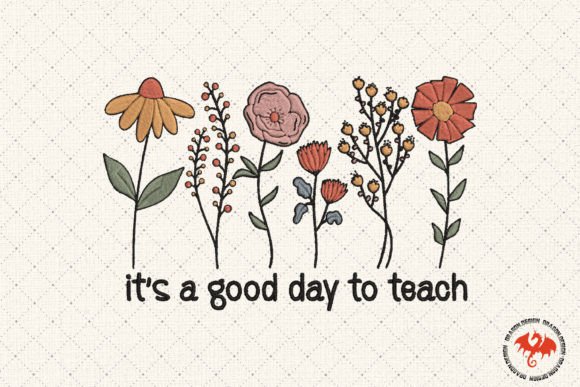
My immediate reaction to It s a Good Day to Teach Wild Flower is that it strikes a highly sellable balance between rustic warmth and professional appreciation. The combination of typography with botanical elements places this design firmly in the "modern farmhouse" or "cottagecore educator" niche. It does not feel overly juvenile or cartoonish, which expands its target demographic beyond just kindergarten teachers to include high school educators, homeschool parents, and teacher retirees.
Visually, the wild flower elements suggest a softness that contrasts beautifully with structured text. For a craft fair table display, this design reads as premium rather than generic. It feels intentional and decorative, making it suitable for higher price-point items like linen tea towels or canvas tote bags. The sentiment is positive without being cliché, which is crucial for standing out in a saturated back-to-school market. As a digital embroidery file, it promises a look that is both trendy and timeless, reducing the risk of unsold inventory once September passes.
Top Performing Products for Craft Fair Booths
When planning my production run, I categorize designs by their best substrate. Not every machine embroidery design works on every item. Based on the composition of It s a Good Day to Teach Wild Flower, here is how I would prioritize production for a handmade market:
- Teacher Tote Bags: This is likely your highest volume seller. The design serves as an excellent tote bag design because the floral elements can frame the center of a 15x15 inch hoop area perfectly. Canvas and denim textures enhance the rustic vibe of the wild flowers.
- Linen Tea Towels: Tea towel embroidery is a staple for gift-giving. This design’s vertical orientation (if applicable) or balanced block layout fits standard flour sack towels. It transforms a utilitarian kitchen item into a sentimental keepsake.
- Cross-Back Aprons: Apron embroidery requires careful placement. This design works well centered on the bib or lower pocket area. The organic nature of the flowers complements the drape of linen or cotton aprons better than rigid geometric designs.
- Embroidered Patches: If you have a smaller hoop size or want to create add-on items, this art can be condensed into a patch. However, verify the stitch density first. Patches require high density to prevent fraying, so ensure the original embroidery file supports this modification.
- Throw Pillow Covers: For home decor buyers, this design adds value to neutral pillow shams. It appeals to teachers who want to bring their profession into their personal space subtly.
Production Practicality and Batch Efficiency
For small shop product creators, time is money. A design might be beautiful, but if it takes three hours to stitch out or requires constant thread changes, it eats into profit margins. It s a Good Day to Teach Wild Flower appears optimized for batch production. The integration of text and florals usually implies color grouping that minimizes jumps and trims.
From a photography standpoint, this design is a dream for printable mockups and Etsy listings. The intricate details of the petals provide texture that photographs well even in natural light, while the text remains legible in thumbnail images. This clarity is vital for digital sellers who rely on visual appeal to drive clicks. Furthermore, the design feels repeatable. You can confidently produce ten identical tote bags knowing the registration will hold up, ensuring brand consistency across your booth display.
Critical Use Notes for Professional Results
Even the best commercial embroidery files have limitations based on physics and fabric. Before listing this as a finished product, consider these technical constraints:
- Fabric Texture vs. Detail: Wild flower designs often contain delicate satin stitches or fine running stitch outlines. On highly textured fabrics like terry cloth or waffle weave, these details can get lost. Always use a water-soluble topping to keep the stitches crisp and visible.
- Small Lettering Clarity: If resizing this machine embroidery design down for a pocket or cap, test the smallest text elements first. Floral accents sometimes crowd lettering when scaled below 4 inches. If the letters merge during testing, do not sell that size variant.
- Stitch Density on Dark Fabrics: Light-colored florals on navy or black canvas require adequate underlay to prevent the fabric grain from showing through. Check your stitch density settings; too sparse, and the design looks cheap; too dense, and you risk puckering or needle breaks.
- Curved Surfaces: If applying this to caps, ensure the embroidery file includes proper pull compensation. Flat designs often distort on curved brims. If the file is strictly flat, stick to tote bags and towels.
Designer Checklist Before Selling Finished Products
Never assume a digital embroidery file is ready for commercial sale straight out of the zip folder. Treat It s a Good Day to Teach Wild Flower as a raw ingredient that needs tasting before serving. Follow this protocol to protect your reputation as a handmade business owner:
- Test Stitch on Scrap Fabric: Never hoop your final product first. Use a scrap of the exact material and stabilizer combination you intend to sell. Inspect the backside for tension issues.
- Verify Hoop Size Compatibility: Confirm the design dimensions fit your machine’s maximum field without distortion. Some machines shrink the design slightly to fit safety margins.
- Check Thread Colors Against Real Swatches: Screen colors are deceptive. Match your thread colors to physical Pantone or Madeira charts to ensure the wild flowers look vibrant, not muddy.
- Review Commercial Licensing: This is non-negotiable. Read the license terms included with the embroidery file. Ensure you have the right to sell physical embroidered items. Some licenses restrict mass production or require attribution.
- Create a Physical Mockup: Digital renderings don't show sheen or texture. Photograph a real sample for your Etsy listing to manage customer expectations regarding size and color accuracy.
Enhancing Booth Appeal and Customer Engagement
Ultimately, It s a Good Day to Teach Wild Flower succeeds because it tells a story. At a craft fair, customers aren't just buying thread on fabric; they are buying identity and affirmation. This design validates the hard work of educators while offering an aesthetic that fits modern home and wardrobe trends.
To maximize buyer engagement, display this design on varied substrates. Show the tote bag next to the tea towel to demonstrate versatility. Use signage that highlights the "handmade" aspect of the embroidery, distinguishing it from printed alternatives. By treating this back-to-school embroidery asset with professional scrutiny and creative merchandising, you transform a simple digital file into a cornerstone product for your handmade business. Whether you are a seasoned vendor or a new Etsy seller, this design offers the perfect blend of emotional resonance and production practicality needed for a successful market season.