Addition Wheels 11-20: An Embroidery Design Review
As an embroidery designer who regularly tests new files for my personalized gift shop, I approach every machine embroidery design with a critical eye. When planning inventory for the upcoming season, specifically within the Back To School category, I needed something that bridged the gap between educational utility and aesthetic charm. This is where the Addition Wheels 11 - 20 design caught my attention. Before listing any digital embroidery file in my shop or stitching it for a client, I always run a comprehensive test to ensure it meets the high standards expected by parents, teachers, and gift buyers. Here is my practical review of how this design performs when translated from screen to fabric.
First Impressions: Mood and Visual Appeal
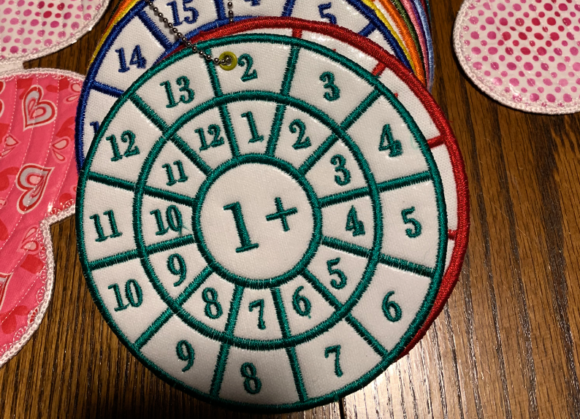
Upon loading the Addition Wheels 11 - 20 embroidery file into my software, the immediate impression is one of cheerful functionality. The design strikes a difficult balance; it is undeniably educational, yet it avoids looking sterile or overly institutional. The mood is bright and encouraging, which is essential for children’s products. As a designer, I appreciate that the numbers are distinct and legible, but the "wheel" concept adds a playful, tactile element that feels more like a toy than a textbook.
For those of us creating handmade products, this visual warmth is crucial. It does not feel cold or purely academic. Instead, it evokes a sense of nostalgic learning mixed with modern color palettes. This emotional appeal is what transforms a simple math aid into a desirable personalized gift. Whether intended for a homeschooling environment or a traditional classroom, the design carries a sweetness that appeals to adult buyers while remaining engaging for the child end-user.
Real-World Application: From Digital File to Finished Product
In my shop, I often receive requests for items that serve dual purposes: they must be beautiful enough to display but durable enough for daily use. I tested Addition Wheels 11 - 20 with several specific customer scenarios in mind to evaluate its versatility.
Educational Tote Bags and Aprons
One of the most promising applications for this design is on canvas tote bags or teacher aprons. During my test stitch-out on medium-weight canvas, the design held up beautifully. The structure of the wheels provides enough coverage to look substantial without causing excessive puckering. For an Etsy seller targeting educators, an embroidered tote featuring these addition wheels offers a unique selling proposition compared to generic monogrammed bags. It signals thoughtfulness and supports the teacher's professional identity.
Nursery Decor and Pillow Covers
I also evaluated this design for nursery decor, specifically pillow cover embroidery. While math might seem unusual for a nursery, many parents are embracing "learning through play" aesthetics in shared living spaces. On a linen-cotton blend, the Addition Wheels 11 - 20 design looked crisp and modern. It serves as excellent blanket embroidery or cushion art for a reading nook. However, for baby items, I would recommend softening the thread palette. Using pastel or muted primary colors rather than neon brights makes the design appropriate for younger siblings or decorative nursery themes while retaining its educational value for older children.
Classroom Banners and Wall Hangings
The product description suggests using these throughout the classroom, and my testing confirms this is the design's strongest suit. Stitched onto felt or quilting cotton, the wheels create vibrant wall hangings. For craft fair vendors, selling pre-made classroom decor sets featuring Addition Wheels 11 - 20 could be a significant revenue stream during the late summer rush. The design is large enough to be seen from a distance but detailed enough to invite close inspection by little fingers.
Critical Considerations: Where to Exercise Caution
No custom embroidery project is without risk, and honest reviewing requires discussing limitations. While Addition Wheels 11 - 20 is versatile, there are specific contexts where I would advise caution.
- Textured Fabrics: Because this design relies on clear numerical recognition, I would avoid stitching it on high-pile terry cloth or thick fleece. The texture can obscure the finer details of the wheel spokes or number edges, reducing legibility. Stick to smooth weaves like poplin, canvas, or denim.
- Stretchy Baby Clothes: While cute, placing a dense educational design on stretchy knit onesies is risky. The stitch density required for solid coverage on the wheels may cause the garment to sag or distort. If you must use it on apparel, opt for woven cotton shirts or jackets with proper stabilizer.
- Frequent Washing: Educational tools get dirty. If you are making an embroidered towel or placemat, ensure your top and bobbin threads are colorfast. Test wash your sample before selling. Also, verify that the design does not have excessive jump stitches that could snag during industrial laundering.
- Small Scaling: Resist the urge to shrink this design too much. The intricate nature of the wheels means that reducing it below its intended size could result in lost detail or thread breaks. Always check the minimum recommended dimensions in your software.
Impact on Giftability and Perceived Value
From a business perspective, Addition Wheels 11 - 20 enhances the perceived value of small shop products. In a market saturated with generic designs, niche educational content stands out. Customers trust sellers who offer specialized items because it implies expertise. When a parent buys a personalized learning tool, they are investing in their child's development, which justifies a higher price point than standard novelty embroidery.
Furthermore, this design photographs exceptionally well. The circular geometry of the wheels creates natural focal points for product photography. For digital product sellers offering printable mockups, the balanced composition of Addition Wheels 11 - 20 allows for easy placement on various virtual blanks, increasing click-through rates. The "cheery" aspect mentioned in the product description translates directly to social media engagement, as bright, positive imagery tends to perform better in the Back To School niche.
Practical Embroidery Notes for Makers
Before you hoop your first piece of customer fabric, please adhere to these professional best practices to ensure success with Addition Wheels 11 - 20:
- Verify Specifications: The product description provided is brief. You must open the file to confirm the exact hoop size requirements and stitch count. Do not assume compatibility with 4x4 hoops if the design spans 5x7 or larger.
- Test on Scrap Fabric: Never stitch directly on a final product without a test run. Use a scrap of the exact material and stabilizer combination you plan to sell. Check for registration issues between the wheel outline and the fill stitches.
- Thread Color Contrast: Ensure the numbers contrast sharply against the wheel background. If the design uses similar tones for both elements, the educational value diminishes. Adjust thread colors in your machine to maximize readability.
- Check Licensing: Crucially, review the license terms included with the commercial embroidery file. Confirm whether you are permitted to sell finished physical products or if the license restricts usage to personal projects only. Protect your business by understanding these rights upfront.
- Mockup Verification: Create light and dark fabric mockups. A design that pops on white canvas might disappear on navy denim. Showing customers both options builds confidence and reduces return requests.
Addition Wheels 11 - 20 represents a wonderful opportunity for embroiderers to expand beyond traditional monograms and florals. By treating it as a premium educational tool rather than just another graphic, you can create meaningful, high-value items that resonate with families and educators alike. Happy stitching!